
Tea
Moroccan Tea: A Timeless Tradition and a Growing Export Opportunity
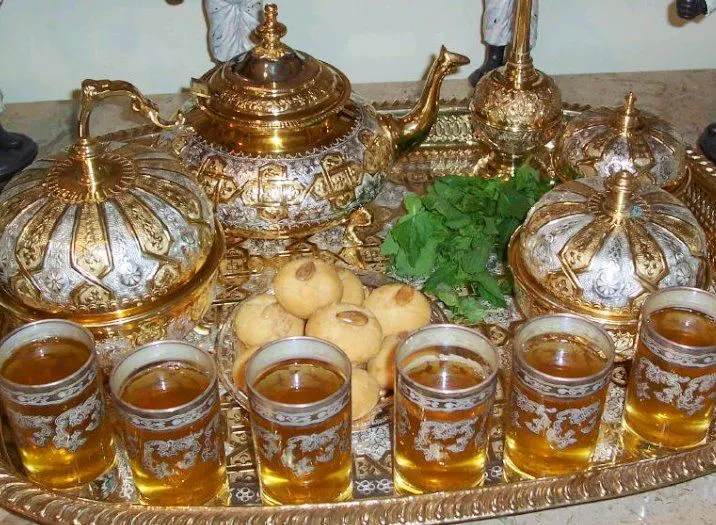
Moroccan tea, particularly the iconic green tea with mint (“Thé à la Menthe”), is more than a beverage — it is a symbol of hospitality, culture, and tradition. As global demand for authentic and health-focused products rises, Moroccan tea is gaining visibility in international markets, offering unique value to importers and distributors.
### 1. A Deep-Rooted Tradition
Tea was introduced to Morocco in the 18th century and has since become a cultural cornerstone. The Moroccan tea ceremony is an art form — combining Chinese gunpowder green tea, fresh mint, and sugar, served with great care and elegance.
### 2. The Core Product: Green Tea and Mint
Most Moroccan tea is based on gunpowder green tea, sourced from China and blended locally. However, Morocco's aromatic herbs, including wild mint, verbena, and wormwood, are locally grown and increasingly exported for tea blending.
- ✅ Loose leaf tea is favored for premium markets
- ✅ Blended infusions (with spices or flowers) are growing in popularity
- ✅ Organic and fair-trade variants are in high demand
### 3. Export Dynamics
🔹 Key Export Markets:
France, Spain, Germany, the USA, and Gulf countries are among the top destinations for Moroccan tea exports.
🔹 Logistics & Packaging:
Tea is exported in bulk or consumer-ready packaging. Professional buyers often prefer:
- 25 kg or 50 kg sacks for raw leaves
- Custom-branded packaging for retail
### 4. Trends Driving Demand
Professional buyers are now looking for:
- 🌿 Herbal and functional teas (e.g. mint + chamomile, detox blends)
- 📦 Eco-friendly packaging (compostable bags, paper pouches)
- 🏷️ Authenticity and origin labelling for traceability
- 🌍 Fair-trade sourcing to meet ethical standards
### 5. Opportunities for B2B Buyers
Whether you're a distributor, retailer, or horeca supplier, Moroccan tea offers:
- High margins on premium blends
- Cultural storytelling for branding
- Versatile formats (bulk, sachets, glass bottles, cold brew)
>
Moroccan tea is a product with soul. For B2B buyers looking to expand their portfolio with authentic, health-conscious, and culturally rich products, Moroccan tea represents a smart investment. As global tea consumers become more curious and informed,